


[SPONSORED CONTENT]
Traveling offers a unique window into new cultures, distinctive landscapes, and unforgettable moments. While it’s easy to rely on smartphones to snap quick photos, being an artist offers a profound alternative that allows us to slow down and connect more deeply with world. Embracing art on your journeys can transform a simple vacation into a deeply immersive and reflective experience.
Tips for Painting on Location
When you plan to paint during your travels, the first step is to be highly intentional about your energy and focus. Time on location is often limited, meaning you cannot do everything. Rather than stressing over the absolute perfection of drawing accuracy or complex compositional framing, consider shifting your perspective entirely. Use the painting process primarily to record your personal experience, emotions, and presence in the moment. Letting go of rigid structural expectations frees your mind from distractions and anchors you in the immediate environment.
To make the most of your time on location, your choice of materials plays an essential role. It is highly recommended to pack high-quality paints, brushes, and surfaces that you are already thoroughly familiar with. Traveling is not the time to test new paints, mediums or equipment. When you use tools you trust, you already know exactly how the colors mix and how the paint performs on the surface. This ensures you do not waste precious time fighting your materials when you should be absorbing the landscape.
When painting outdoors, let your primary artistic goal be an exploration of changing light and color. The aim isn’t to create a flawless masterpiece on the spot, but to capture an authentic color study that reflects your real-time sensory experience.

What You’ll Need
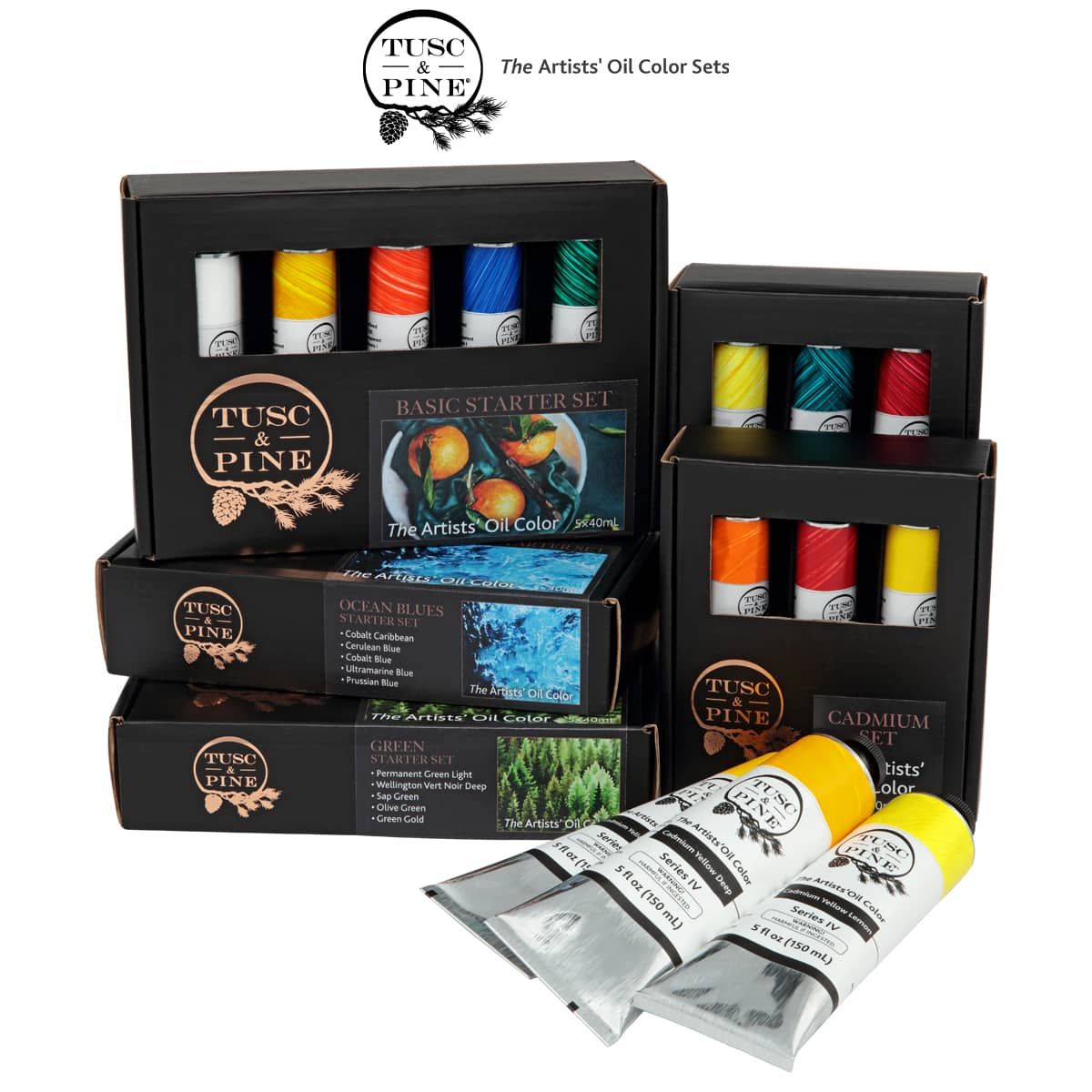
Tusc & Pine Artists’ Oil Paints
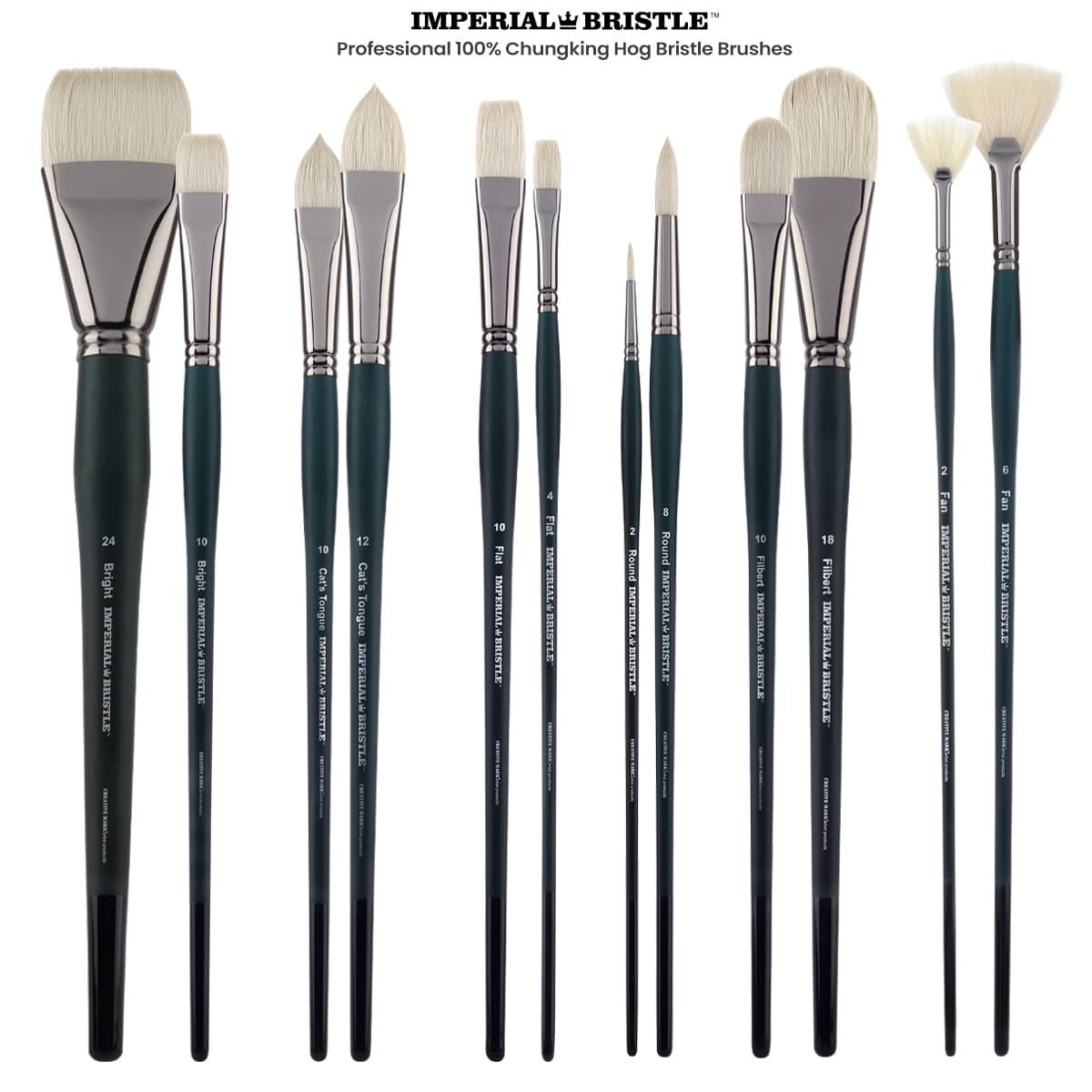
Imperial Hog Bristle Brushes
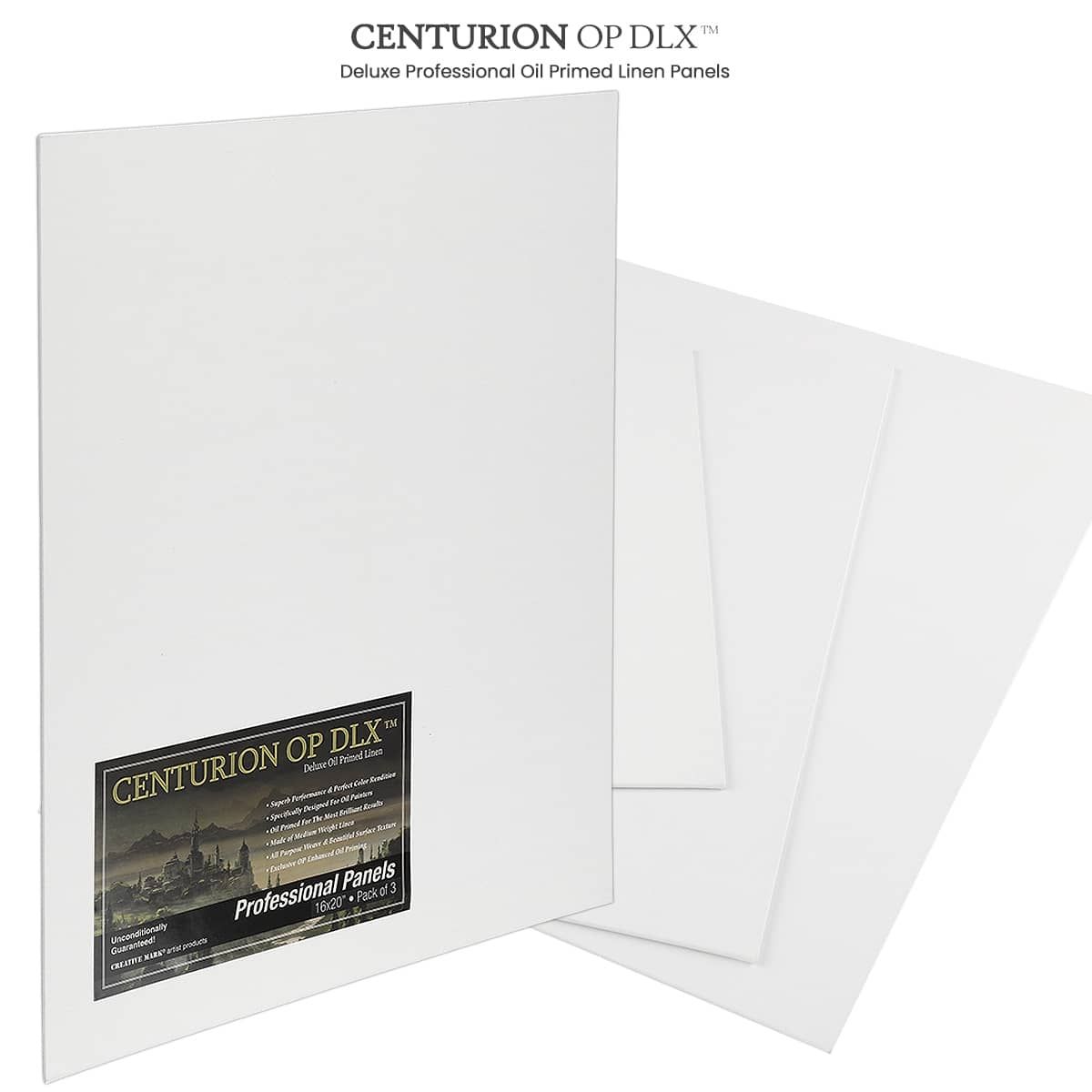
Centurion OP Professional Oil Primed Archival Linen Panels
Painting Indoors
Once your outdoor session is complete, your plein air study becomes a valuable building block. Back in the controlled space of a studio, you can revisit the piece. Here, away from the changing elements, you can use reference photos to adjust proportions, fix drawing errors, and refine the composition. In this workflow, the initial outdoor painting doesn’t act as a rigid, restrictive roadmap; instead, it serves as a powerful psychological trigger that unlocks memories of the experience.

Ultimately, travel painting leaves you with three distinct gifts: your raw plein air study, a finished studio piece, and a concrete, multi-sensory memory of the space. Long after you return home, looking at your work will bring back more than just a visual image. It will vividly recall the sounds of the environment, the scent of the air, the quiet atmosphere, and the exact feeling of watching the light move across the land. By being selective with your energy and prepared with your tools, you can build a deeper, lifelong connection to the world through your art.

About the Artist
Scott Maier is an artist, instructor, and a content contributor to artistsnetwork.com. He’s an adjunct instructor at Rocky Mountain College of Art and Design, as well as the author of these instructional art books:
See, Think, Draw: An Easy Guide for Realistic Drawing and Beyond.
The Little Book of Oil Painting Secrets
The Field Guide to Landscape Painting (on pre-order)
Source: Artists Network


You must be logged in to post a comment.